

A Year of Impact, Inclusion, and Community in Paddlesports
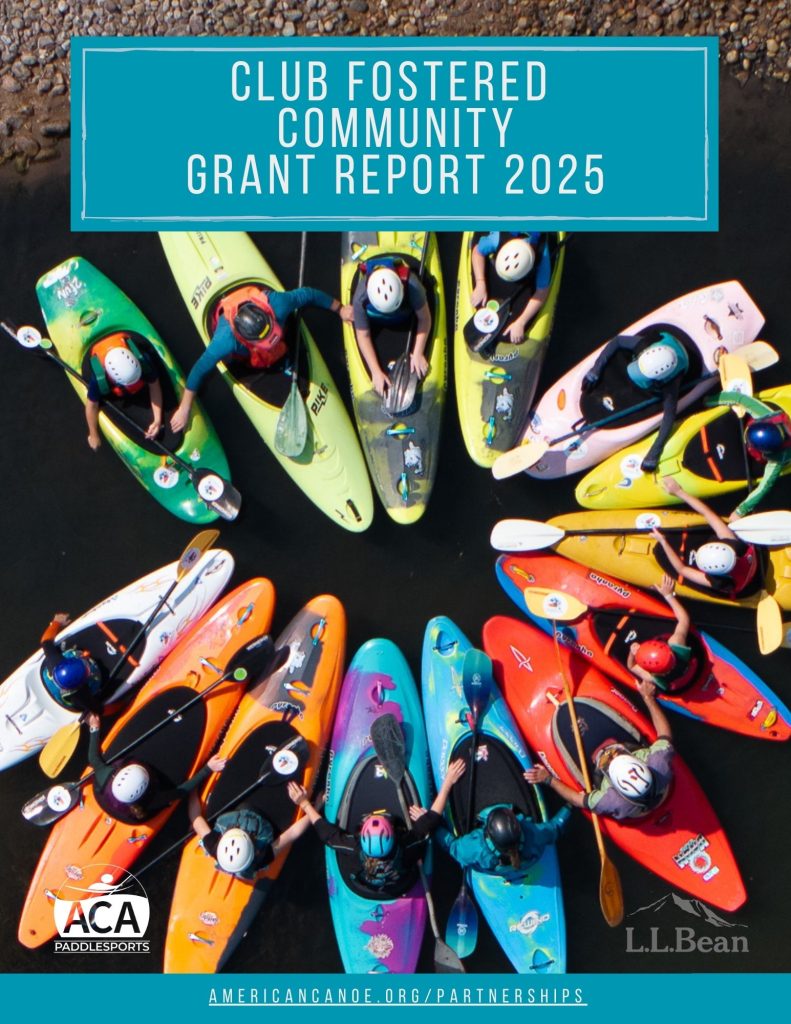
2025 L.L.Bean–ACA Club Fostered Community Grant Report
Across the country and around the world paddlesports continue to serve as a powerful catalyst for connection, confidence, and community. Thanks to the L.L.Bean and ACA Club Fostered Community Grant, eleven remarkable organizations and initiatives used paddling as a platform to break down barriers, honor cultural identity, expand access, and create belonging where it has long been missing.
This year’s report brings together stories as diverse as the participants themselves: women forging new paths as raft guides in the Himalayas; queer paddlers finding safety and joy on the river; blind veterans gaining independence through adaptive kayaking; and youth discovering science, stewardship, and community through their first moments on the water. Though each project is unique in purpose, location, and audience, they share a common thread—paddling becomes more than a sport. It becomes a source of empowerment, healing, and possibility.
Expanding Pathways for Women and Girls
In India, the NariNauka program hosted by Canyon River Instruction trained and mentored young women from the Uttarakhand region to become professional raft guides in a male-dominated industry. With eight graduates now working as guide interns or safety kayakers – and six earning upgraded ACA certifications – NariNauka is reshaping who belongs on South Asia’s rivers. Yet the program does more than develop technical skills; it provides a long-term support system that helps women confront structural barriers, cultural expectations, and a testing system historically inaccessible to them. NariNauka’s ripples will be felt for generations.
Across the U.S., Show Me Women Paddlers offered a welcoming, low-barrier introduction to kayaking that brought 20 women together to build skills, joy, and confidence on the water. Their volunteer-driven instruction model and partnership with Fellows Lake not only expanded access but strengthened a local paddling community committed to mentorship and inclusion.
Building Safety, Confidence & Representation for LGBTQ+ Paddlers
Three projects this year centered the LGBTQ+ community through intentional affinity spaces: critical environments for learning free from bias and barriers. The Queer Affinity Instructor Certification Workshop hosted by the Paddlesports Institute created a rare, affirming environment where queer paddlers could learn without being a minority. Participants from Outward Bound, NOLS, and regional universities built advanced canoeing skills and shared powerful reflections on visibility, safety, and belonging in outdoor spaces.
The Pride Day on the River Beginner Whitewater Clinic, hosted by Zoar Outdoor, gave nine LGBTQ+ beginners their first introduction to kayaking, complete with inclusive instruction, donated gear from NRS, and community-building events. The weekend highlighted the joy and empowerment that comes when identity is respected and fully welcomed.
Meanwhile, La Raza – Explore & Kayak Clean-Up hosted by Tampa Bay Kayak Anglers provided a culturally rooted experience for Hispanic paddlers in Tampa, pairing environmental stewardship with safe, community-centered outreach. Participants rediscovered cultural connection, ecological pride, and a sense of home on the Hillsborough River.
Healing, Leadership & Community Among Veterans
Three projects focused on supporting military veterans – particularly disabled, blind, and historically marginalized veterans – through adaptive and community-based paddlesports. At the Team River Runner OuttaSight Clinic in Grand Junction, blind veterans and sighted volunteers trained side-by-side, building guiding systems, independence, and profound trust on the water. Veterans shared emotional testimonies about overcoming isolation, reconnecting with purpose, and finding friendship through kayaking.
On Oregon’s Deschutes River, the Team River Runner Affinity Clinic provided a six-day fully funded paddling expedition for 11 minority disabled veterans. With participants identifying as African American, Indigenous, Chicano/Puerto Rican, LGBTQIA+, and women, the clinic created psychological safety, leadership development, and deep personal healing-touching on cultural identity, representation, and resilience.
Empowering Kids Through Discovery, Science & Stewardship
Four youth-focused programs used paddlesports as a bridge to learning, confidence, and conservation. In North Carolina, Piedmont Paddlesports introduced 31 young paddlers to water safety, teamwork, and STEM learning from buoyancy experiments to water-quality testing. Five youth received scholarships to train in competitive whitewater slalom, expanding pathways for future athletes.
In Colorado’s Roaring Fork Valley, the Kids Kayaking Camps provided two full weeks of instruction for 20 youth, seven of whom attended on scholarship. The camps cultivated skill, friendship, confidence, and community connection, prompting a planned expansion to four camps in 2026.
In partnership with Nez Perce tribal educators, Wild Science Explorers combined rafting, traditional ecological knowledge, and conservation work along the Salmon River. With 23 youth participating, including Nez Perce teens training as guides, the program reinforced cultural identity, stewardship, and connection to ancestral homelands.
Finally, La Raza’s youth environmental engagement on the Hillsborough River combined stewardship and cultural safety, showing how nature-based learning becomes most powerful when rooted in identity and community trust.
A Shared Vision: Paddling for Everyone
Individually, each project broke barriers for its community. Together, they illustrate a powerful truth: when people feel safe, welcomed, and supported, the outdoors becomes transformative. Across these 11 projects:
- Women became river guides
- LGBTQ+ paddlers found joy, representation, and safety
- Blind and disabled veterans gained independence and belonging
- Indigenous youth connected with ancestral waters
- Kids discovered science, confidence, and stewardship
- Hispanic communities reclaimed cultural connection through paddling
This year’s grant impact is more than the sum of its programs: it is a movement toward an outdoor community that reflects the full diversity, resilience, and potential of all who seek to explore it. As you read the full report, we hope you feel the strength of these stories, the importance of inclusive recreation, and the undeniable truth captured by one participant: