

Paddlers and river guides are often drawn to the Rio Grande and the Big Bend region because it is one of the only places in the United States for guides to work on the river throughout the winter months. They keep coming back because they fall in love with it.
“The guide community is small but tight knit down here. It’s one of the best communities to be a part of. There is also the quiet and vastness of it, the never-ending spectacular views, the sunrises and sunsets are some of the best I’ve ever seen, and the stars rival those seen anywhere outside of the Grand Canyon or the open ocean,” says Cody Brown, who has guided the past 6 seasons out of Terlingua. “300 miles of river to paddle and a million acres of public land to explore. Where else can you go on a 9-day river trip in January without a permit lottery?”
For Cody and others fortunate enough to have spent time on the Rio Grande River in Big Bend National Park and Big Bend Ranch State Park, the proposition of marring this remote and breathtaking landscape with a border wall is as offensive as it is impractical.
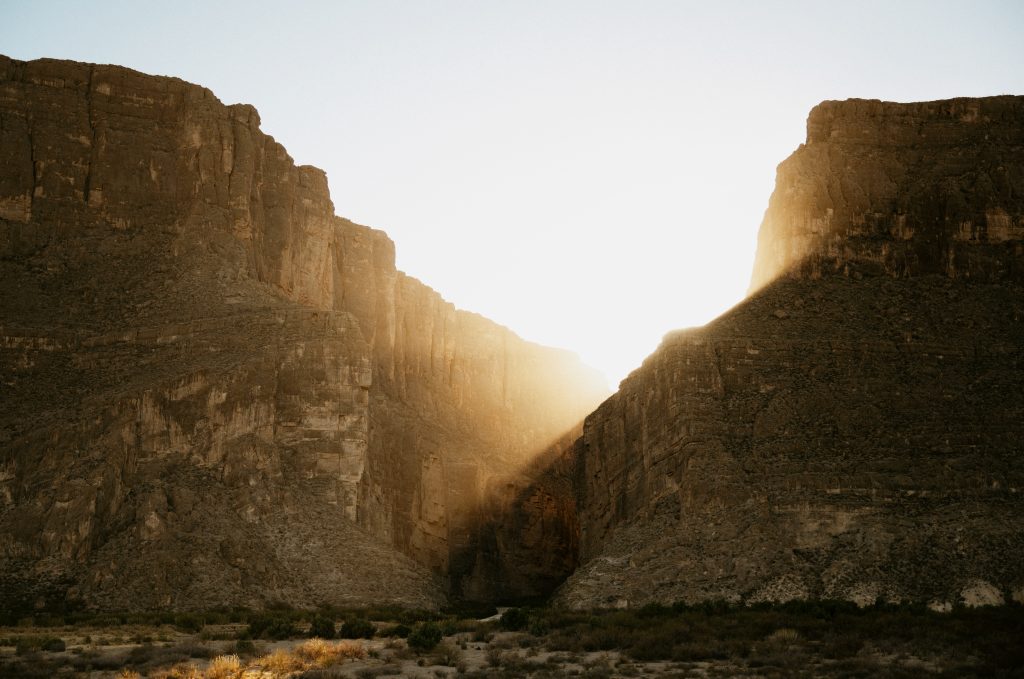
Image Credit: Anna Claire Beasley
What’s Happening in Big Bend
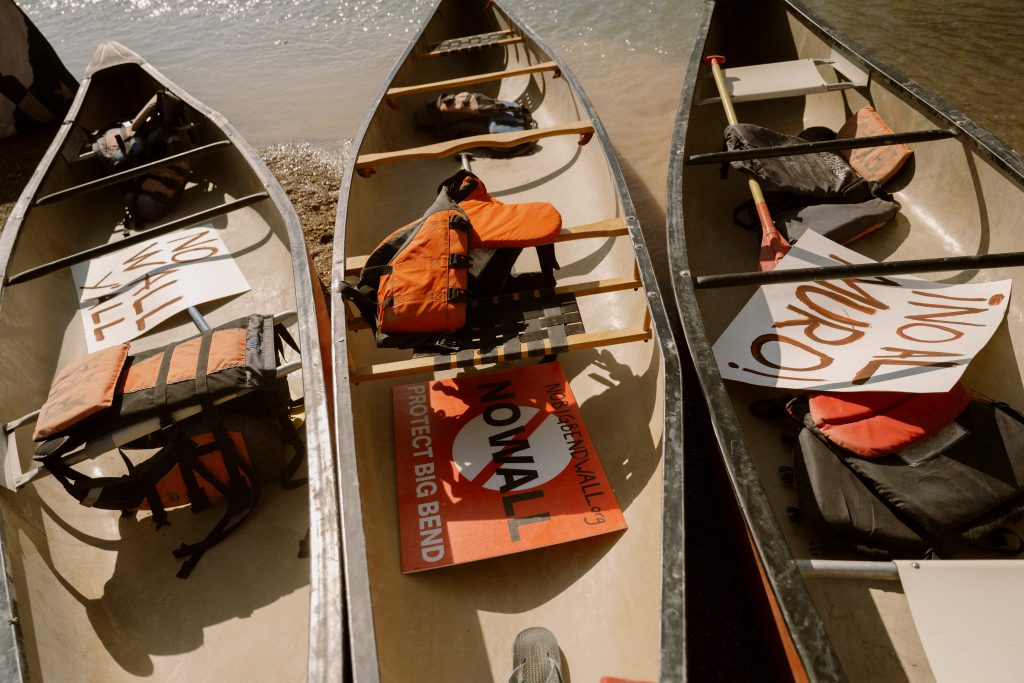
River guides, outfitters, and local advocates across West Texas have brought national attention to an effort to build a border wall along the Rio Grande in Big Bend. While often framed as a response to border security concerns, those working closest to the river say the data, and the reality on the ground tell a different story.
The Big Bend sector represents 26.5% of the U.S. / Mexico border but only 1.3% of apprehensions in 2025 according to a 2026 report by U.S. Customs and Border Protection. In addition to the naturally rugged geography of the region, this sector already has more than 50 autonomous surveillance towers, many installed within the past year, along with two surveillance blimps monitoring activity in the area. At the same time, reported apprehensions in the region are down significantly, by as much as 74% according to local sources, raising questions about the necessity of additional large-scale infrastructure that would cut off access to the river completely.
A major concern voiced by local stakeholders is the lack of clear communication about what is planned and where. Questions have been raised about decision-making processes with many community members feeling left out of conversations that directly impact their livelihoods and landscapes.
While some reports suggest that national park lands may be protected from direct wall construction, those on the ground continue to report signs of development including road building within the park and dangerous razor wire being installed along the border upstream of the park.
Why It Matters to Paddlers
Paddlers seek out the Rio Grande for its remote and breathtaking landscape. A physical wall would fundamentally change how paddlers experience the river by both disfiguring the landscape and restricting access to the river itself. Limiting access points to the Rio Grande would fundamentally change the river experience, compromising the ability to provide on-water support and respond effectively to injuries and emergencies.
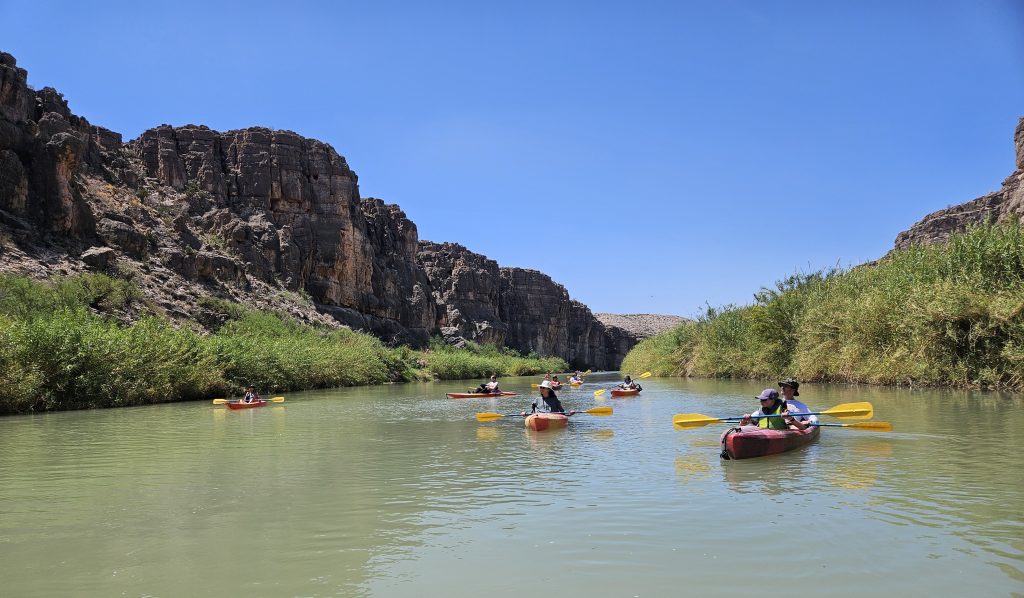
Image Credit: Cody Brown
Beyond access, paddlers are also deeply connected to the health of river ecosystems. Proposed infrastructure raises several concerns:
Wildlife disruption: The Big Bend region is a critical corridor for species that rely on cross-border migration. Barriers could fragment habitats and disrupt long-established ecological patterns.
River hazards: Reports of razor wire being installed upstream have raised serious safety concerns. As local advocate Anna Claire Beasley notes, “We don’t know who put it in, but when—not if—it floods, the razor wire will end up downstream, posing a huge risk of injury or death.” Any man-made structure close to the river or going across a creek bed will likely be damaged or destroyed and need to be replaced.
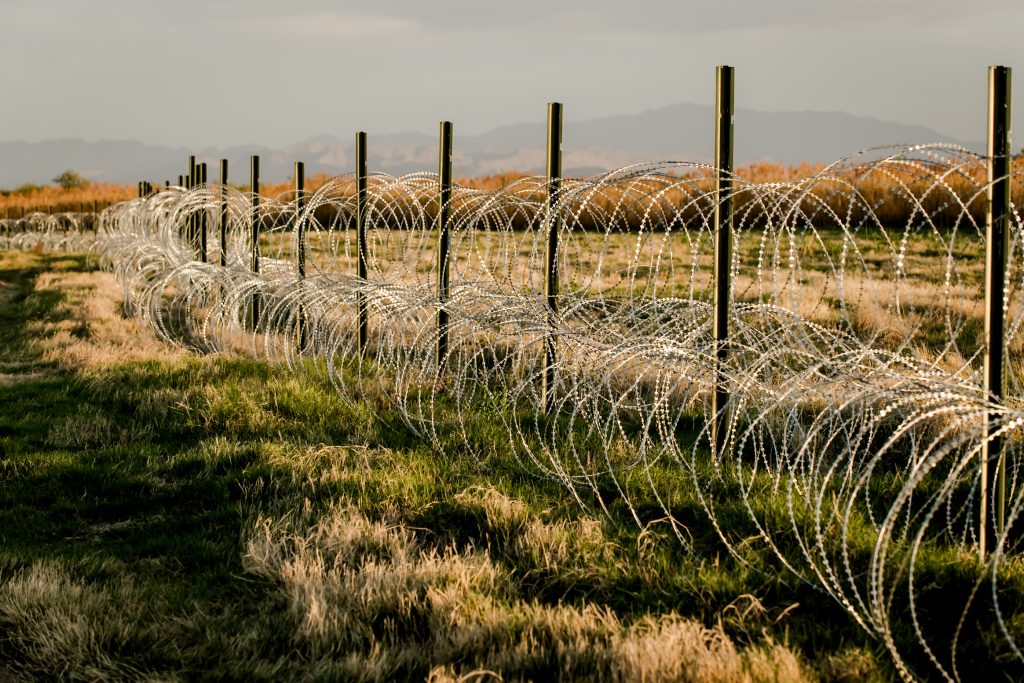
Image Credit: Natalie Newman
Debris and flood impacts: The Rio Grande regularly experiences flash flood events with seasonal flows peaking at 30,000 CFS or more. Razor wire washed into the Park from upstream or other construction materials and infrastructure pose significant risk to both recreationists and wildlife.
Undermine local economies: Disrupt the recreation-based economy that supports local communities, threatening the livelihoods of guides, outfitters, and small businesses that rely on river access and tourism
What happens upstream does not stay upstream. The Rio Grande connects the entire region, meaning impacts outside park boundaries will inevitably affect both Big Bend National Park and Big Bend Ranch State Park.
Without a formal announcement, a Customs and Border Protection online map is changing without clear communication from U.S. Customs and Border Protection and without consideration of how patrol roads, vehicle barriers, and other border construction could impact the land and local economy. Locals are witnessing the construction of 24-foot-wide roads, fiber optic trenching, industrial lighting in the darkest skies in North America, and man camps for hundreds of workers in communities with populations under 100.
Upstream of the Big Bend Ranch State Park, the map shows that $3.37 billion in contracts have been awarded for a physical wall. Locals have serious concerns about what building the infrastructure will mean and how it will impact the Rio Grande watershed and the construction of a steel border wall upstream of Big Bend National Park and Big Bend Ranch State Park would cut over 500 landowners off from the river.
A wall upstream impacts all the people and public lands downstream. Keep the pressure on by writing to your lawmakers and asking them to oppose any new border wall construction in the greater Big Bend region and to support border security strategies that protect this irreplaceable landscape.
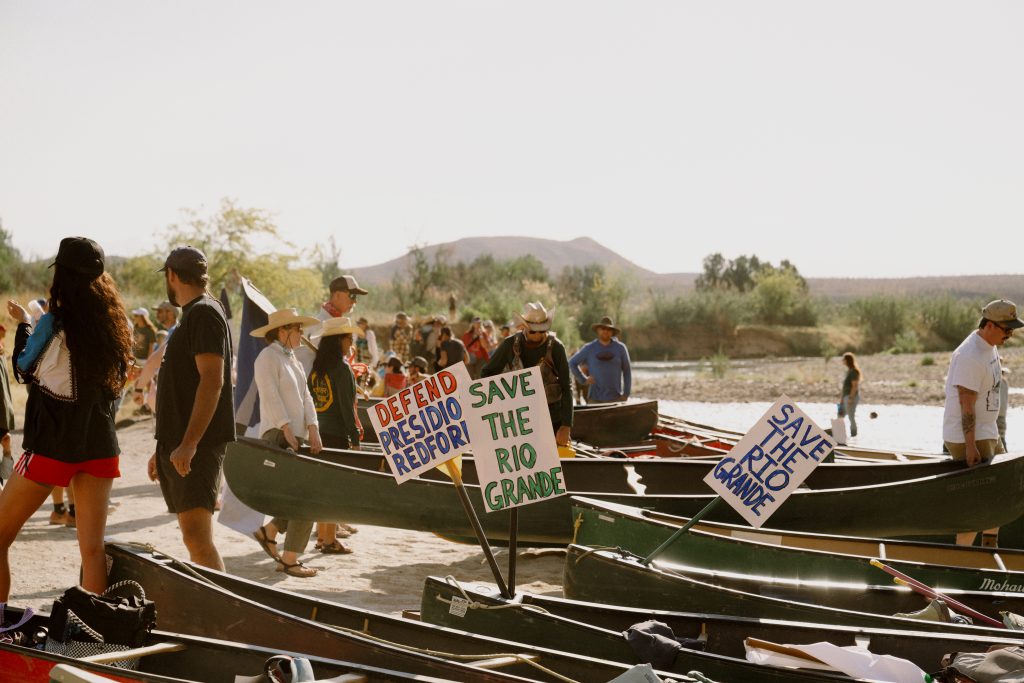
Image Credit: Anna Claire Beasley
Take Action
Take action to tell your lawmakers to:
- Oppose border wall construction anywhere in the greater Big Bend region of Texas — including near Big Bend National Park, Big Bend Ranch State Park, Black Gap Wildlife Management Area, and Seminole Canyon State Park and on private lands in Hudspeth, Presidio, Brewster, and Terrell Counties.
- Not spend taxpayer dollars on border barrier projects in the greater Big Bend region
- Remove the razor wire from along the Rio Grande river upstream of the Big Bend Ranch State Park
- Be cautious of how upstream construction and debris will impact wildlife and recreation downstream
From U.S. Customs and Border Protection, we ask for transparency in the plans for border protection and to speak with local law enforcement before spending taxpayer dollars on an impractical physical wall that will harm U.S. citizens.
- Sign the petition
- Call or write to your representatives
Learn More
- Watch the documentary “The River and the Wall”
- Listen to the River Radius Podcast, “Big Bend, the Rio Grande & a Border Wall”
- Read the New York Times article, “A Border Wall Plan Unites Republicans and Democrats in Texas: ‘This Is Insane’”
- Follow @nobigbendwall on Instagram