Looking back over six decades of paddling, I am struck by how fortunate I have been to find myself in the right river communities at pivotal times. I was simply a kid who loved rivers, and one opportunity led to another. Along the way, I found myself with a front-row seat to extraordinary changes in the sport.
Circa 1972 — Finding My Way to the River
As a young teenager, fresh from summer camp canoeing, I stumbled into the Canoe Cruisers Association in Washington, D.C. It was a remarkable collection of people who generously shared their enthusiasm and knowledge. The club was our gateway to rivers, boatbuilding, Sunday morning rolling sessions at the local pool, and a whole community of people who loved being on the water.
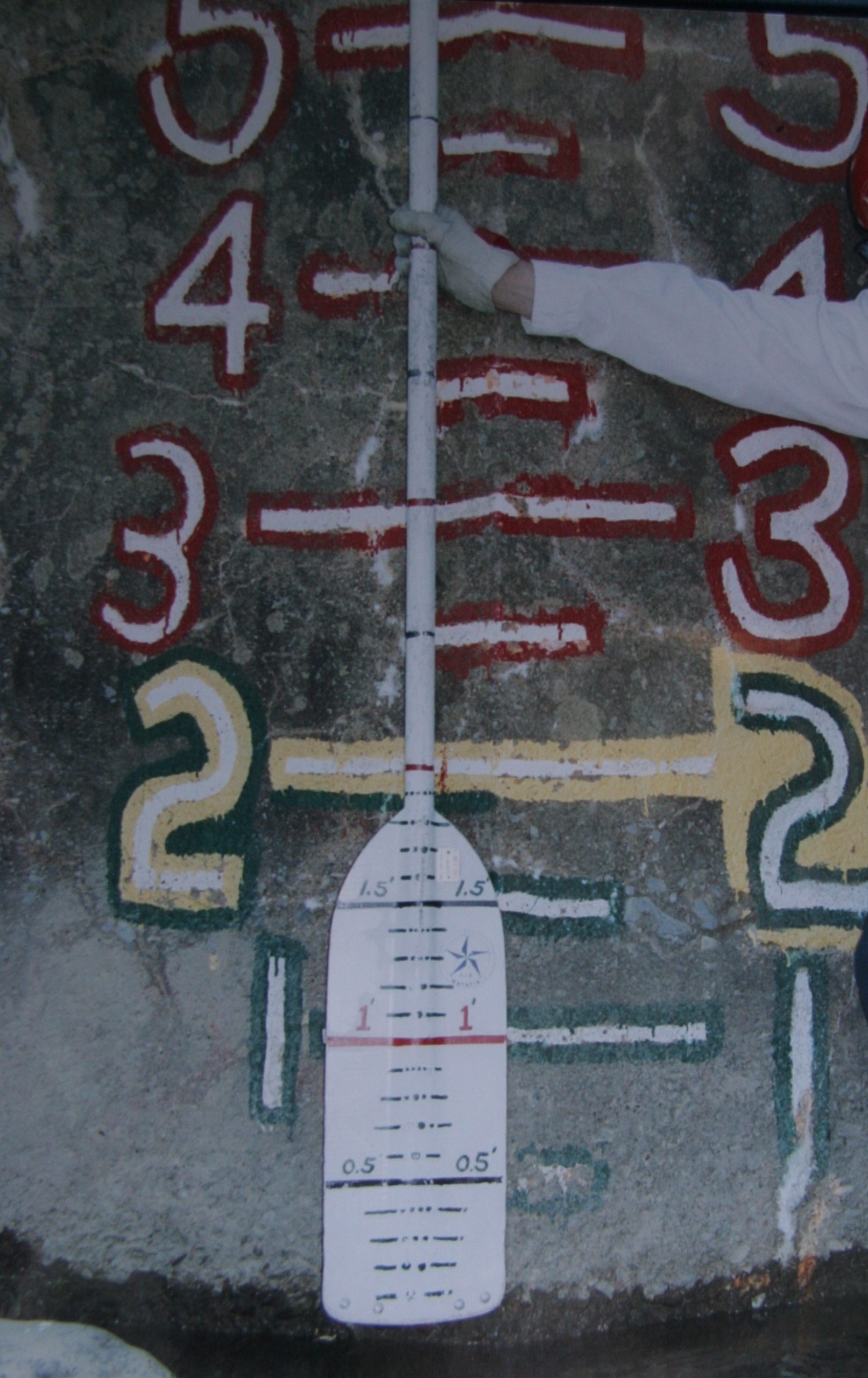
Long before the internet, canoes accounted for perhaps 70 percent of river craft, and paddling books and films were scarce. I remember calling restaurants in West Virginia to ask someone to read the hand-painted water-level gauge on a nearby bridge. That was our river information system!
My dad, a scientist, fit right in with the paddling culture of the time. Rivers were puzzles to be explored and figured out. Nearly every weekend, our family joined the club for a river trip, a riverbank lesson, flatwater slalom practice, or a race. Almost everyone competed. It was simply part of learning to paddle, and developing good skills was especially important when your fiberglass boat was so easily damaged.
I had no idea this would lead to lifelong friendships and a career connected to paddling.
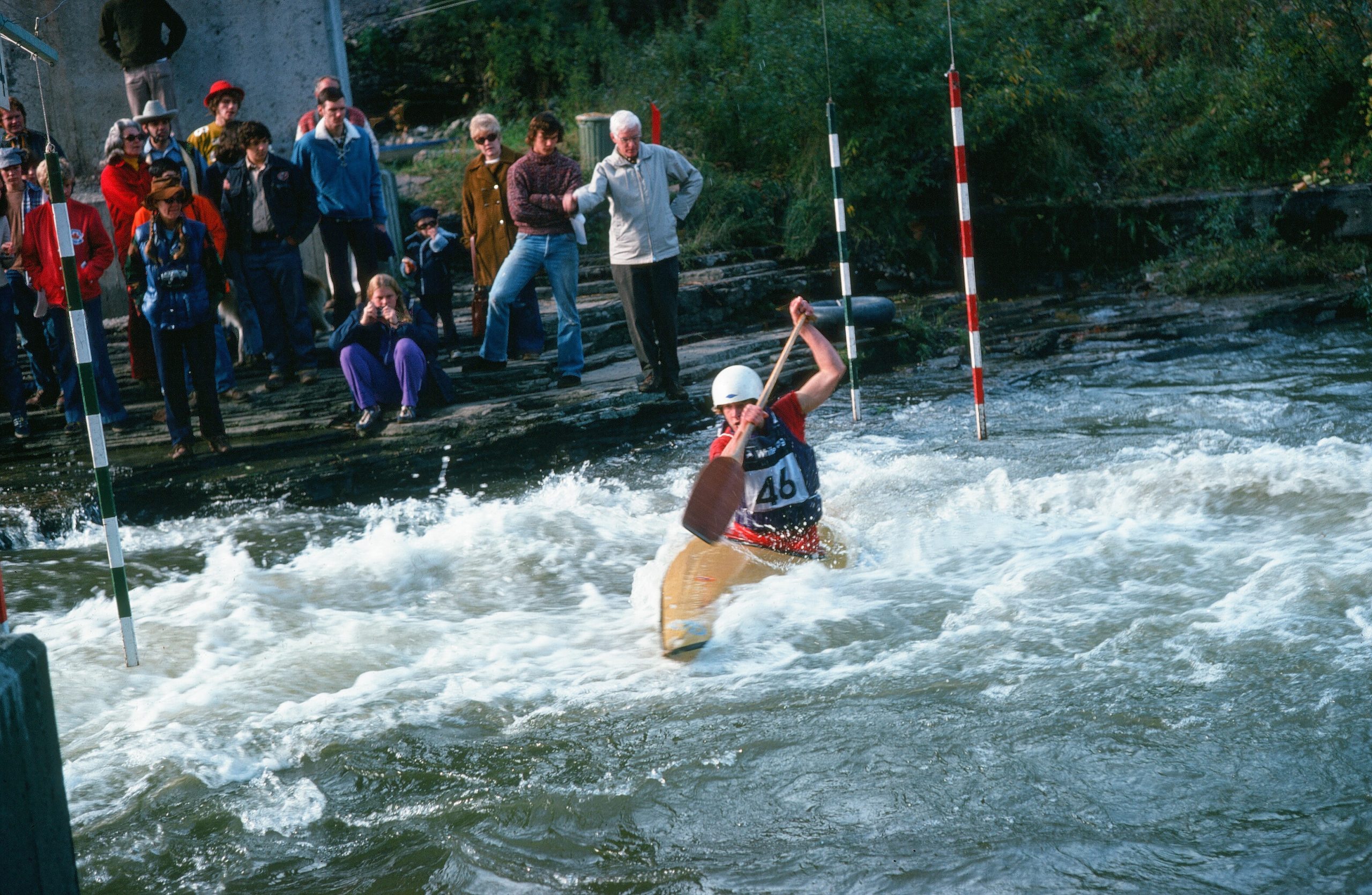
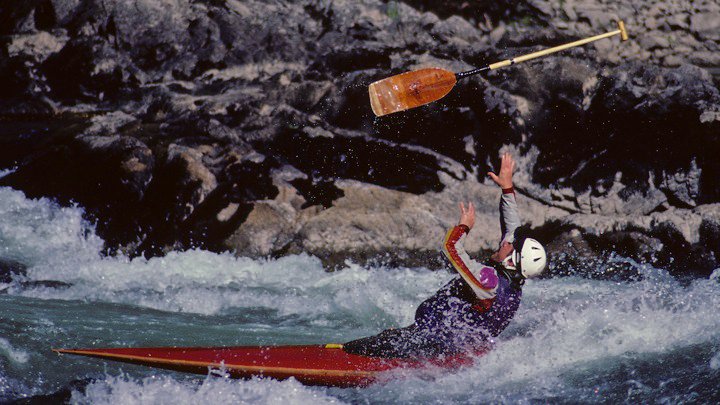
Kent Ford at 1973 Unadilla Race upstream gate.
Circa 1980s — Along for an Extraordinary Ride
The club’s volunteers and coaches nurtured an extraordinary racing community. By my twenties, I was competing internationally alongside some of the world’s most talented canoeists.
In C-1 slalom, five of us were competing for four places on the U.S. C-1 team. Ron and Jon Lugbill, Davey Hearn, and Bob Robison were my regular training partners, with coach Bill Endicott helping guide the group to some notoriety. The combination of friendship, friendly rivalry, and relentless practice brought out the best in everyone. International medals followed, but what stands out most in my memory is the remarkable group of people and the energy we shared.
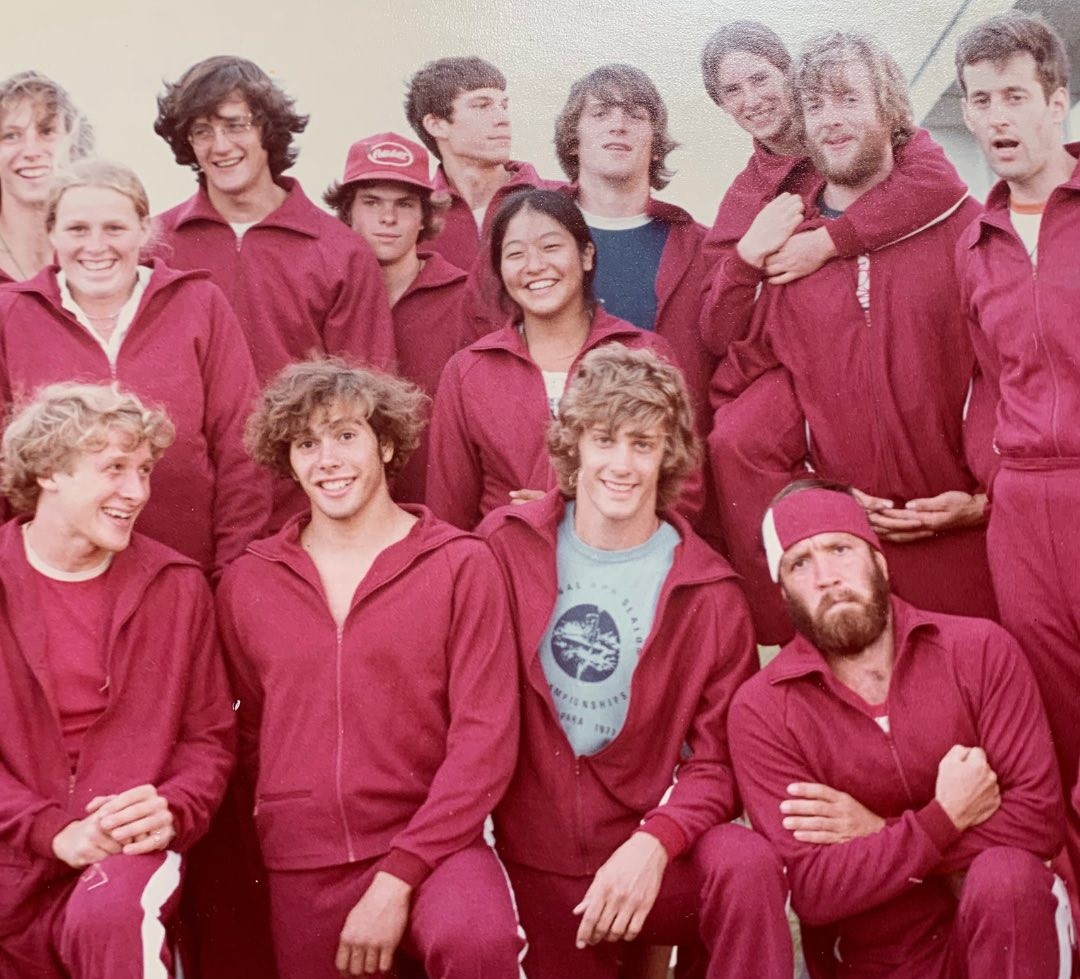
1978 U.S. Slalom Team. Back Row (L-R): Chris McCormick, Dan Isbister, Davey Hearn, Paul Flack, Tom McGowan, Linda Bennett, Chip Queitsch, Bill Endicott. Middle Row (L-R): Cathy Hearn, Yuri Kusuda. Front Row (L-R): Kent Ford, Ron Lugbill, Steve Garvis, Steve Draper.
Racing also opened doors to experiences I could never have imagined as a teenager. Invitations and cultural exchanges took us to Russia, Costa Rica, Chile, and throughout Europe. We discovered that the shared language of paddling could connect people across remarkably different cultures.
Circa Mid-1980s — A Remarkable Gathering at the Nantahala
Like many racers, I needed a way to support my paddling habit. Seasonal work at the Nantahala Outdoor Center in North Carolina provided the answer. What I discovered there was far more than a job.
The teaching environment was highly collaborative. Two-instructor clinics encouraged constant exchange. New ideas were tried, debated, refined, and passed along. Concepts such as the stern draw jet ferry, the head dink, paddling in the box, and safer approaches to teaching the kayak roll emerged from this lively culture of experimentation. Olympic racers Angus Morrison and Chris Spelius shared stroke techniques in staff clinics. Lessons spread quickly, alongside advances in outfitting, water reading, rescue, and ergonomics.
Why so much innovation at the Nantahala? Elite racers brought refined technique, and gifted instructors wanted to understand how people learn. Bunny Johns was at the forefront of creating much of this activity. While leading the NOC instruction program, she was also investing enormous energy in developing the ACA instructor certification system. With her background in biology and a wonderfully analytical mind, Bunny helped bring greater structure and consistency to paddlesports instruction.
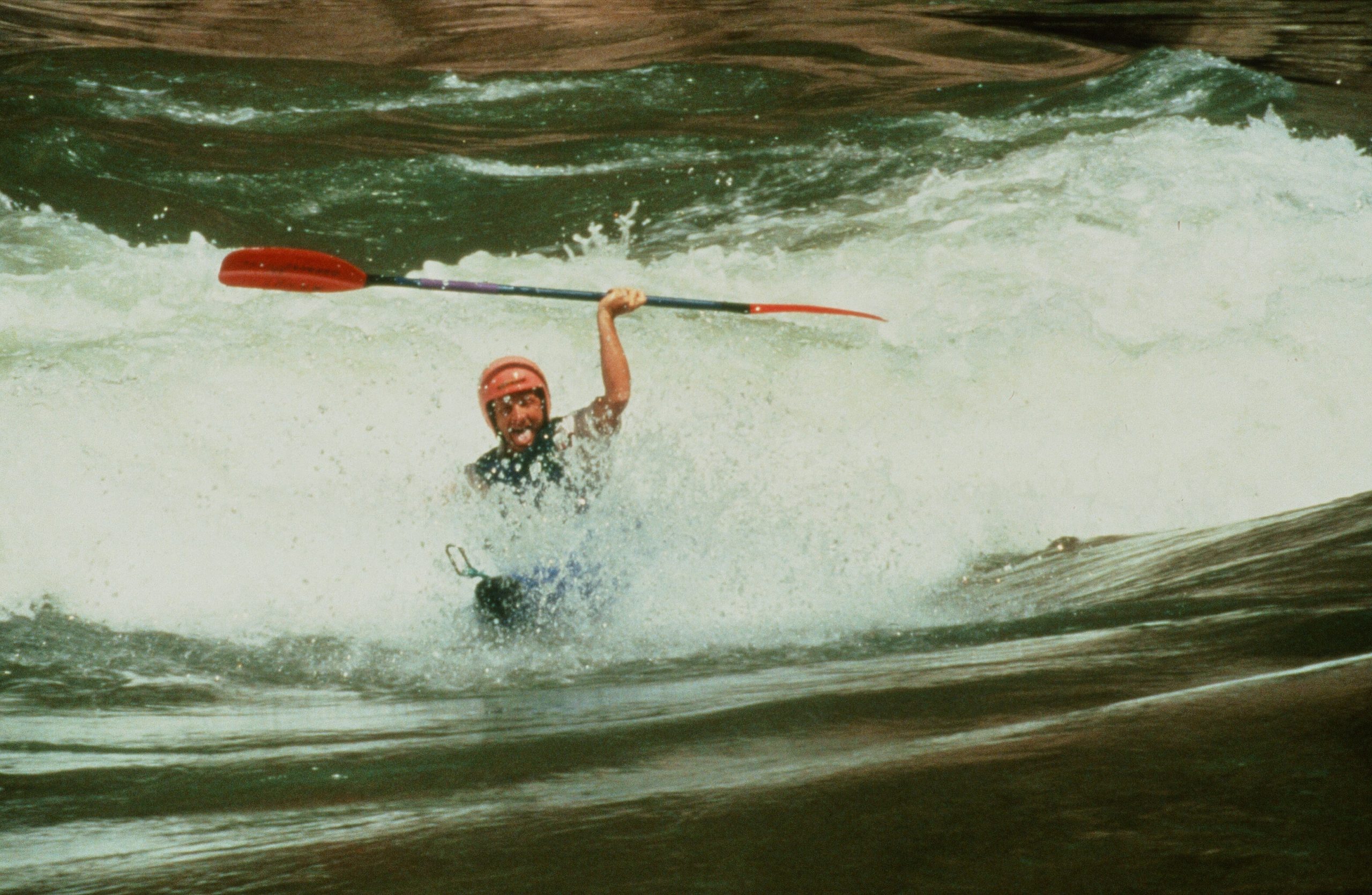
Many a dinnertime discussion evolved into technique analysis. People were genuinely excited about learning from one another. No one person held all the answers, and the constant exchange of ideas made everyone better. It was a wonderful environment in which to work, learn, and make lifelong friends.
Circa 1990s to Today — The River Keeps Changing
Only gradually did I begin to appreciate that I had been riding a remarkable wave through paddlesport history.
Canoe-dominated rivers gave way to kayaks and specialized boats. Slalom paddlers, squirt boaters, steep-creek explorers, solo canoeists, and playboaters found new ways to enjoy moving water. Later, packrafters and stand-up paddleboarders brought fresh perspectives. There always seems to be another way to enjoy the river.
I never imagined how much paddling would enrich my life. I feel lucky to have been carried along, and grateful above all for the mentors, teachers, students, volunteers, competitors, and friends who shared these rivers with me.
About the Author
Kent Ford joined the ACA in the 1970s and has spent a lifetime messing around in boats, exploring over 330 rivers in 27 countries — enjoying the wonderful people he’s met along the way. He is an ACA Instructor Trainer Educator in Level 4 Whitewater Canoeing and Level 5 Advanced Whitewater Kayaking, and an Instructor Trainer in Level 4 Whitewater Packrafting. His books, videos, and teaching have helped more than half a million paddlers discover the fun. Along the way, he’s had a front-row seat to the evolution of whitewater boating. Explore some of that history at performancevideo.com.
This story is published as part of the 2026 ACA Story Project, a month-long collection of stories written by ACA members. Without opportunity, these stories wouldn’t exist. That’s what the ACA does. Through education, stewardship, competition, and club support, we create opportunities for paddlers of all abilities. Your gift helps write the next chapter. Help us raise $25,000 by December 1 for the next paddler, and the one after that.